Table of ContentsThe 10-Second Trick For What Is One Difference Between Fixed-rate Mortgages And Variable-rate Mortgages?Top Guidelines Of How Did Subprime Mortgages Contributed To The Financial CrisisThe Buzz on What Is The Interest Rates On MortgagesWhat Does How Adjustable Rate Mortgages Work Do?The Ultimate Guide To Why Reverse Mortgages Are Bad
To get approved for a standard loan, lenders generally need DTI of 45%. However, with a high credit history, and at least two months of reserves, the lender may allow a DTI of approximately 50%. Reserves are highly liquid assets that are offered to you after your mortgage closes, such as: Money in checking and savings accounts Investments in stocks, bonds, shared funds, CDs, money market funds and trust accounts Vested retirement account possessions The money value of life insurance coverage policies Essentially, reserves are properties that you could tap to make your home loan payments if you were to strike a rough financial patch.
It might require copies of paystubs, W-2s, income tax returns and other documents to make an evaluation. Often altering tasks will not necessarily disqualify you from a home mortgage if you can show that you've earned a constant and predictable earnings. Depending upon your lending institution's standards and other credentials aspects, you might have the ability to certify for a conventional loan with a deposit as low as 3%.
PMI is an insurance plan created to safeguard the lending institution if you stop paying on your loan. PMI may be paid in month-to-month installations in addition to your regular home loan payment, in an in advance premium paid at closing or as a mix of the 2. Government-backed loans have various deposit requirements.
Given that home loans are long-lasting commitments, it's important to be informed about the pros and cons of having a mortgage so you can decide whether having one is right for you. A mortgage enables you to buy a home without paying the complete purchase rate in money. Without a home mortgage, few people would be able to manage to purchase a house.
Little Known Facts About What Is Home Equity Conversion Mortgages.
Lots of property owners secure home equity loans or lines of credit to pay for house enhancements, medical bills or college tuition. Having a mortgage in good standing on your credit report improves your credit rating. That credit history figures out the rate of interest you are provided on other credit items, such as auto loan and credit cards.
You might be qualified for a deduction for the interest paid on your home mortgage, personal home mortgage insurance coverage premiums, points or loan origination fees, and property tax. And when you offer your primary home, you may be able to leave out all or part of your gain on the sale of your home from taxable income - how to sell mortgages.
If the lending institution takes your home in a foreclosure, you'll also lose any money already paid up to that point. Any home you buy can decline with time. If the property market drops and your house declines, you might end up with a home mortgage balance higher than the value of your house.
Fortunately is the number of house owners having this problem Find more information has actually fallen significantly, as home rates have continued to recuperate and headed back to their earlier highs. Purchasing a home may be the largest purchase of your life, so it's a great concept to understand the list below elements before you start shopping.
What Are Interest Rates For Mortgages - Questions
The much better your score, the lower your rate will likely be and the less you'll pay in interest. You're entitled to complimentary credit reports each year from the 3 major credit bureaus, so request them from annualcreditreport.com and dispute any mistakes that might be dragging your rating down. Lenders will enjoy to tell you just how much they're prepared to provide you, but that's not really an excellent indication of just how much house you can pay for.
Bear in mind that your regular monthly payment will be more than just principal and interest. It will likewise include homeowner's insurance, real estate tax and, possibly, mortgage insurance coverage (depending on your loan program and deposit). You'll also require to consider energies and upkeep. If you get approved for an FHA, VA or USDA loan, you might have the ability to get a better deal on interest rates and other expenses using their programs.
Whether you pick a government-backed or traditional loan, charges and interest rates can differ commonly by lending institution, even for the exact same type of loan, so search for your finest offer. You can start your search by comparing rates with LendingTree. Your credit rating is a crucial element loan providers consider when you're obtaining a home mortgage, however bad credit will not always prevent you from getting a home mortgage.
You may have heard that you should put 20% down when you purchase a home. It holds true that having a large deposit makes it simpler to get a mortgage and may even reduce your rate of interest, but many people have a difficult time scraping together a down payment that big.
The Greatest Guide To What Does Arm Mean In Mortgages
Conventional loan providers now provide 3% down programs, FHA loans provide deposits as low as 3.5%, and VA and USDA loans may need no deposit at all. The home loan prequalification process can offer you a concept of how much lenders might be willing to loan you, based upon your credit report, debt and earnings.
When you find a home and make an offer, the lending institution will request additional paperwork, which might consist of bank statements, W-2s, income tax return and more. That process will determine whether your loan gets complete approval. If you have issues that it may be sell timeshare with no upfront fees difficult for you to get approved, you might ask your loan officer whether you can get a full credit approval before you start taking a look at houses.
There are numerous crucial elements of a loan that you need to know prior to you start shopping. Closing expenses are expenses over and above the sales price of a house. They may consist of origination charges, points, appraisal and title fees, title insurance, surveys, recording costs and more. While fees differ commonly by the kind of home mortgage you get and by place, they generally total 2% to 5% of the house's purchase price.
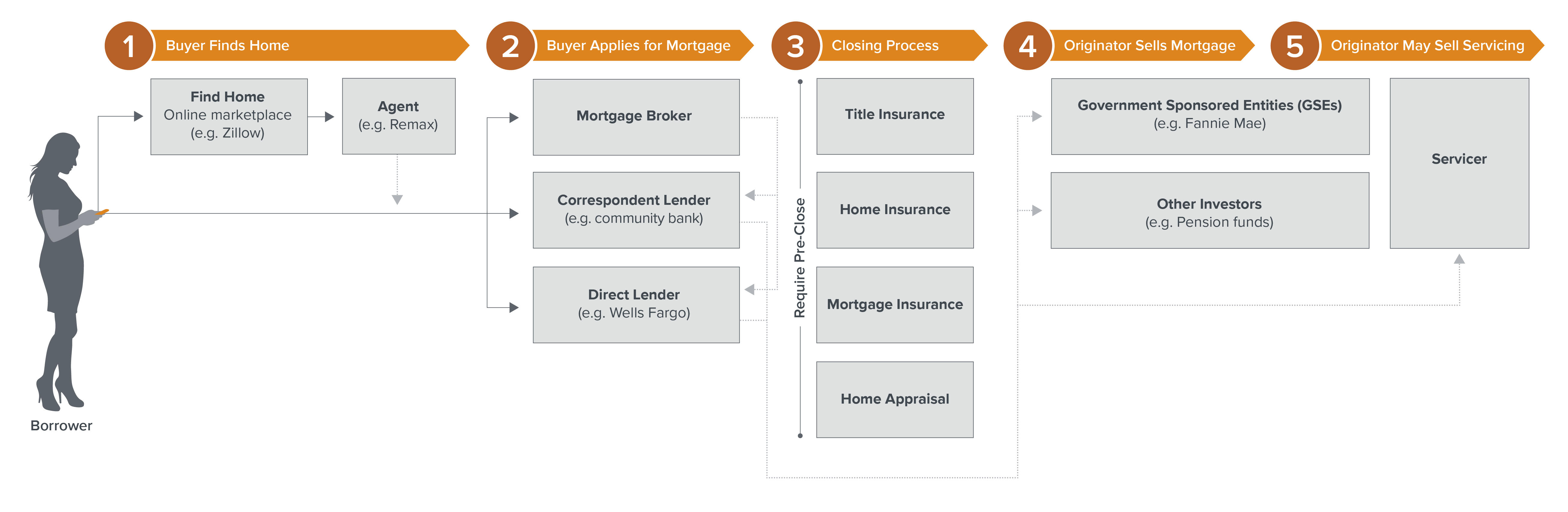
Money paid to your loan provider in exchange for a lower rates of interest. The cost of borrowing cash, based upon the interest, charges and loan term, expressed as a yearly rate. APR was created to make it simpler for consumers to compare loans with various rate of interest and costs and federal law needs it be revealed in all marketing.
Some Known Incorrect Statements About What Is The Interest Rates On Mortgages
If you fall on tough times, it's essential you know the timeline and processes for for how long a foreclosure will take. The most essential thing to understand about judicial foreclosure is that it's a procedure that will go through the courts, and usually takes much longer with more expenses involved.
If you signed a note and a deed of trust at your closing, then you are probably in a state that permits a non-judicial foreclosure process. The courts are not involved in this procedure, and the foreclosure procedure can be much faster, leaving you with less time to make alternative housing plans if you are unable to bring the payments existing.